

Effective DIY Pest Control
We supply trusted products to help eliminate rodents, insects, birds, and other pests both indoors and outdoors.
With over 40 years of expertise, we’ve curated the most effective products and bundles from trusted brands to help you find the best solutions for your needs.
Guides
Pest Control Help Hub
Drawing on over 40 years of experience, our expert guidance help you tackle common household pests, from rats and mice to flies and more.

How Many Mouse Bait Stations Do You Need in a UK Home?
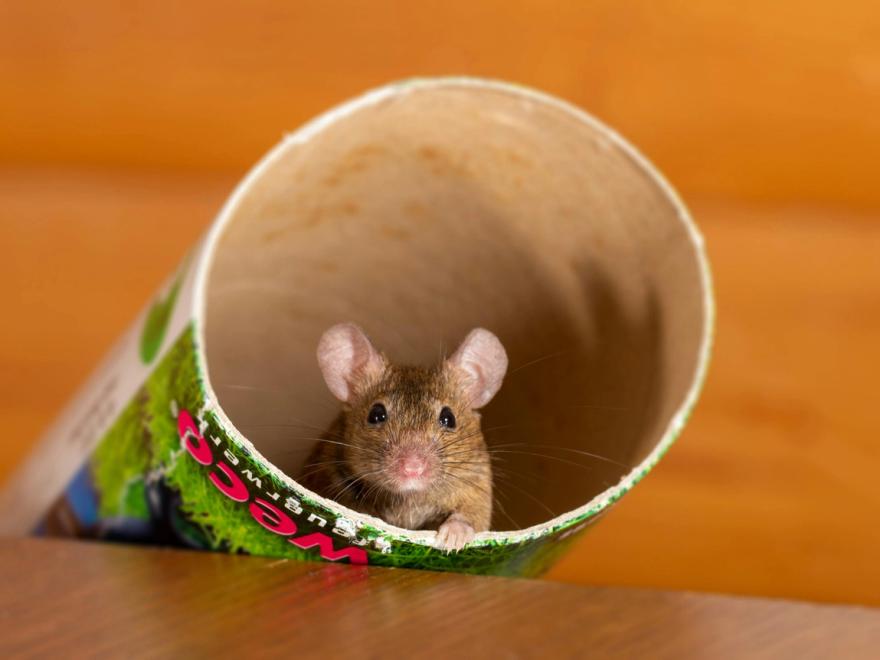
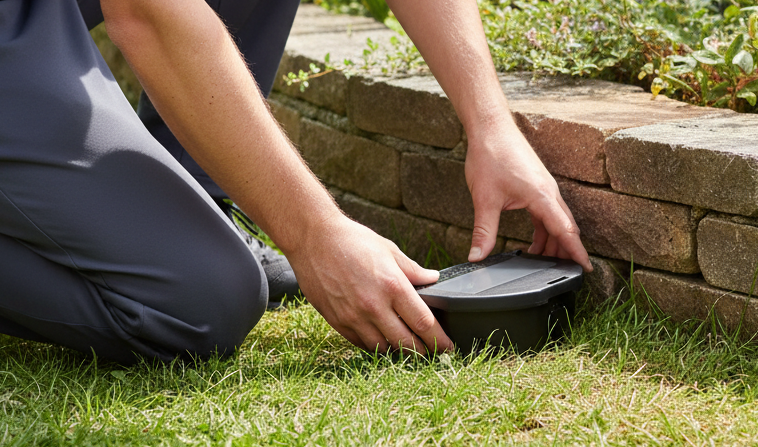
Most UK homes need 4 to 8 mouse bait stations, depending on property size, activity level and how many rooms show signs of the house mice (Mus musculus). A 1 to 2 bed flat with early activity usually needs 4 bait boxes, while a larger house, HMO, office, farm building or persistent infestation needs 8 bait boxes. Use locked bait stations with Brodifacoum or Difenacoum bait and check them regularly until feeding stops.

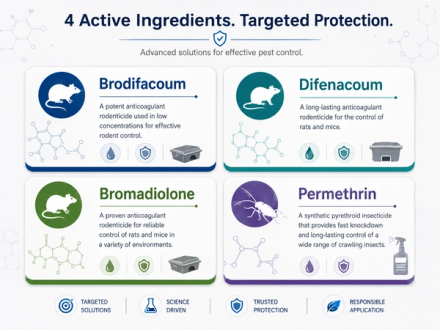
UK Pest Control Active Ingredients Glossary: Brodifacoum, Difenacoum, Bromadiolone and Permethrin
The four active ingredients you'll see most often in UK DIY pest control are Brodifacoum, Difenacoum and Bromadiolone, which are anticoagulant rodenticides for rats and mice, and Permethrin, an insecticide for fleas, bed bugs, moths, cockroaches and flies. This glossary explains what each one does, what it controls, how it works and how to use it responsibly under UK rules.

Mice in Kitchen Cupboards: What to Do Before They Spread
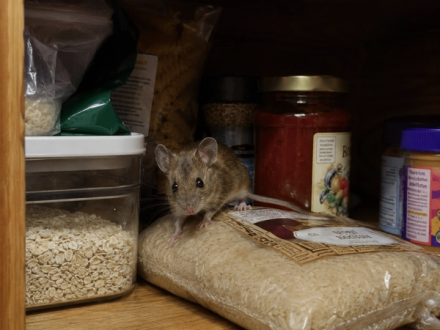
Mice in kitchen cupboards usually mean droppings among your food packaging, gnawed boxes and a musty smell in the corners. The kitchen is the most common place to first notice mice in a UK home because it has food, warmth and plenty of hiding routes. This guide covers how to confirm it is mice, how to clear cupboards safely, where to place bait, and how to stop the problem spreading.

Mice in Lofts: Signs, Entry Points and DIY Treatment for UK Homes
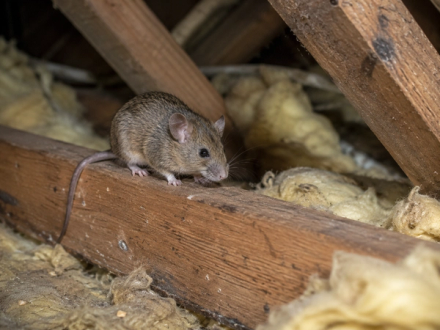
Mice in a UK loft usually show up as droppings, disturbed insulation, gnaw marks and scratching sounds at night. Lofts are warm, quiet and rarely disturbed, which makes them one of the most common places for house mice to nest and one of the most commonly missed during treatment. This guide covers the signs, where mice get in, how to treat a loft safely with bait stations, and when the problem has spread far enough to need the larger kit.

Landlord Pest Control Responsibilities in the UK: Rats, Mice, Bed Bugs and Cockroaches
UK landlords are usually responsible for pest infestations linked to the condition or disrepair of a property, while tenants are usually responsible for infestations caused by how they live in it. This guide explains where responsibility sits, which laws apply, and what to do pest by pest for rats, mice, bed bugs and cockroaches, with records that stand up if a dispute or inspection follows.

How to Get Rid of Rats on a Farm: A UK Control Guide
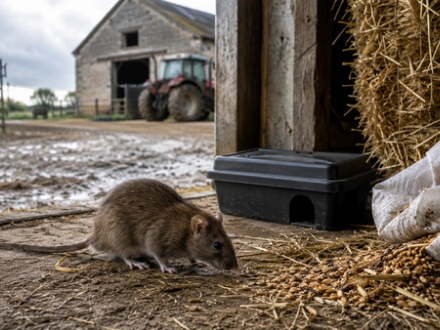
Rats on a UK farm are best dealt with by cutting off food and shelter, proofing buildings, and baiting in locked stations along the runs rats actually use, in and around buildings rather than out in the open. This guide covers the signs, where rats harbour, a step by step control approach, the legal points around rodenticide use and resistance, and when a job is beyond DIY.

Rats in Chicken Coops and Poultry Houses: Safe UK Control
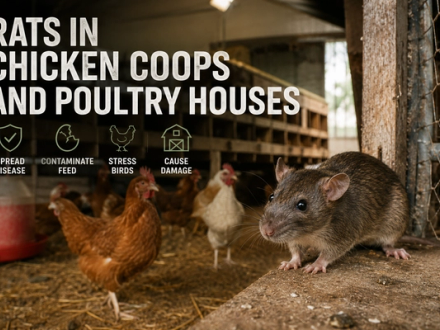
Rats around a chicken coop are after the feed and the warmth, not the birds themselves, though they will take eggs and even young chicks. This guide covers how to spot them, how to cut off what's drawing them in, how to rat proof the coop and run, and how to bait safely when you have live poultry, without putting your flock at risk.
Product categories
We offer different ways of acting against a pest, from a non-lethal and organic way to a lethal and chemical solution.

Rodents

Mammals

Crawling Insects

Flying Insects

Birds

Pest Help
Trusted experts with over 40 years in pest control
- Fast Delivery
- British Business
- 40 Years Experience


